
 English
 Pусский
 Tiếng Việt
 українська
 Search

Chemically Resistant Valve Solution
Chemically Resistant Valve Solutions for Harsh Environments In industrial applications involving aggressive chemicals, high-pressure systems, or extreme temperatures, selecting the right valve solution is critical to ensure safety, reliability, and longevity. Chemically resistant valves are designed to withstand corrosive, abrasive, or reactive media while maintaining optimal performance. These valves are essential in industries such as chemical processing, pharmaceuticals, water treatment, oil and gas, and semiconductor manufacturing. Key Considerations for Chemically Resistant Valves 1. Material Selection The most crucial factor in valve design is choosing materials that resist chemical attack. Common options include: - Polymers (PTFE, PVDF, PP, PVC): Excellent for acids, alkalis, and solvents. - Stainless Steel (316L, Hastelloy, Duplex): Resistant to oxidation and chloride-induced corrosion. - Ceramics & Glass-Lined Valves: Ideal for ultra-corrosive or high-purity applications. 2. Sealing & Leak Prevention Chemically resistant valves must have robust sealing mechanisms to prevent leaks. Options include: - PTFE or PFA-lined seats for inert sealing. - Diaphragm or bellows seals to eliminate stem leakage. - Double-seal designs for hazardous or toxic fluids. 3. Valve Type & Functionality Depending on the application, different valve types may be preferred: - Ball Valves: Quick shut-off, low maintenance, suitable for slurries. - Diaphragm Valves: Ideal for corrosive or high-purity fluids. - Butterfly Valves: Cost-effective for large-diameter, low-pressure systems. - Needle Valves: Precise flow control in analytical or dosing systems. 4. Temperature & Pressure Compatibility Valves must maintain integrity under extreme conditions. For example: - High-temperature applications may require metal-seated or ceramic valves. - Cryogenic environments demand materials like stainless steel with specialized seals. 5. Compliance & Standards Valves should meet industry standards (ASME, ISO, FDA, NACE) for safety and performance, especially in regulated sectors like pharmaceuticals or food processing. Applications of Chemically Resistant Valves - Chemical Processing: Handling acids, caustics, and solvents. - Water Treatment: Chlorine, ozone, and wastewater management. - Pharmaceuticals: Sterile, high-purity fluid control. - Semiconductor Manufacturing: Ultra-clean, corrosion-resistant flow control. Conclusion A well-designed chemically resistant valve ensures operational efficiency, minimizes downtime, and reduces maintenance costs. By carefully evaluating material compatibility, sealing technology, and operational conditions, industries can select the optimal valve solution for their specific needs. Investing in high-quality, corrosion-resistant valves enhances system reliability and safety in even the most demanding environments.
उत्पाद
वर्गीकरण:
-
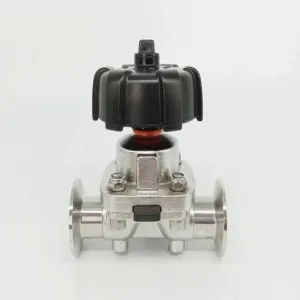
Stainless Steel Sanitary Diaphragm Valve — Hygienic and Chemically Resistant Valve Solution
उनका वर्गीकरण: Sanitary Diaphragm Valveदृश्य: 10संख्या:रिलीज का समय: 2025-11-13 14:53:11In modern processing industries, achieving hygienic operation, chemical resistance, and precise flow control is essential. The stainless steel sanitary diaphragm valve is engineered to meet these requirements, providing a flexible, leak-proof, and sanitary solution for chemical, pharmaceutical, food & beverage, and biotech applications.
समाचार
वर्गीकरण:
-
[Company News]How to Identify Quality in a Forged Sanitary Valve
2025-11-19 08:31:42 -
[industry news]Understanding Torque Requirements for Sanitary Ball Valves
2025-11-22 09:03:06 -
[industry news]How to Retrofit Manual Valves with Electric Actuators
2025-11-23 09:05:23
मामला
वर्गीकरण:
कोई खोज परिणाम नहीं!
वीडियो
वर्गीकरण:
कोई खोज परिणाम नहीं!
डाउनलोड
वर्गीकरण:
कोई खोज परिणाम नहीं!
भरती
वर्गीकरण:
कोई खोज परिणाम नहीं!
अनुशंसित उत्पादों
कोई खोज परिणाम नहीं!



 टेलीफ़ोन